+55 11 2196-2300 tsl@tsleng.com.br São Paulo · Macaé, Brazil

Oil Tank Cleaning

Industrial Cleaning of Oil Tanks

THE oil tank cleaning It is a fundamental activity to guarantee the safety, operational efficiency, and lifespan of tanks used for storing fuels and petroleum products.

THE fuel oil It is widely used in various industrial sectors for thermal power generation, steam production, and supplying industrial systems. To ensure a continuous supply of these fuels, many companies use... large storage tankswhich allow for reduced logistics costs and the maintenance of strategic fuel reserves.

Over time, however, these tanks can accumulate residue, sludge, and encrustations from the stored fuel itself. For this reason, the oil tank cleaning This should be performed periodically as part of the preventive maintenance activities for this equipment.

Proper execution of this service helps preserve the operational conditions of the tanks, increase their useful storage capacity, and extend the lifespan of the metal structures.

Industrial Cleaning of Oil Tanks

Importance of cleaning oil tanks

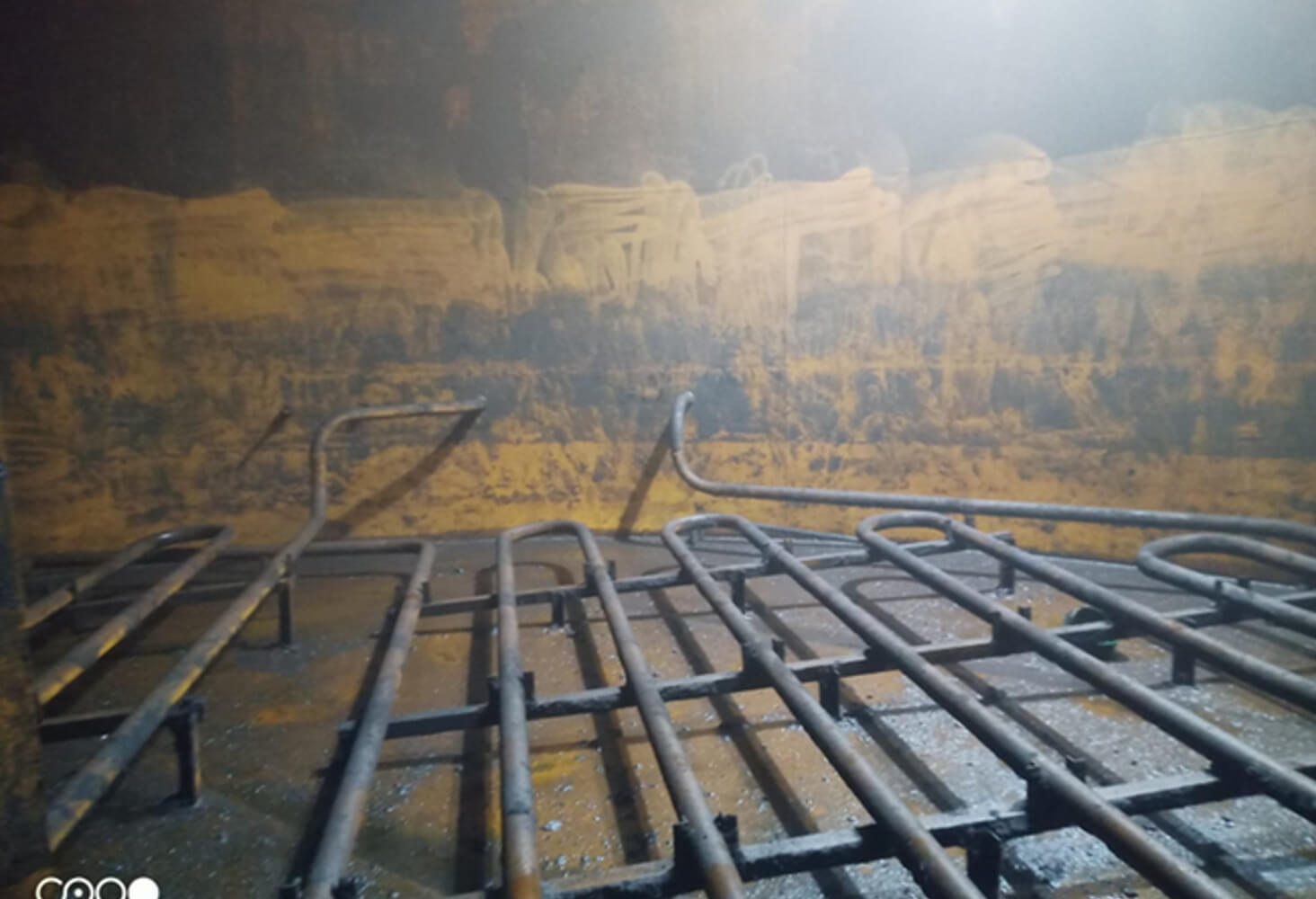
During prolonged fuel storage, it is common for the formation of deposits and waste inside the tanks, especially at the bottom of the reservoir.

These residues can be formed by:

Over time, the accumulation of these materials can reduce the usable volume of the tank and compromise the quality of the stored fuel.

THE oil tank cleaning It allows these deposits to be removed, restoring storage capacity and ensuring safe operating conditions.

Furthermore, regular cleaning also helps prevent problems such as Internal corrosion, fuel contamination, and operational risks..

Procedures for cleaning oil tanks

The process of oil tank cleaning It involves a series of technical steps that must be executed safely and in a controlled manner.

The first step usually consists of pumping out the fuel still present inside the tank. to another reservoir or temporary storage system.

Depending on the characteristics of the stored fuel, it may be necessary to carry out the heating the oil using saturated steam, with the aim of reducing its viscosity and facilitating the pumping process.

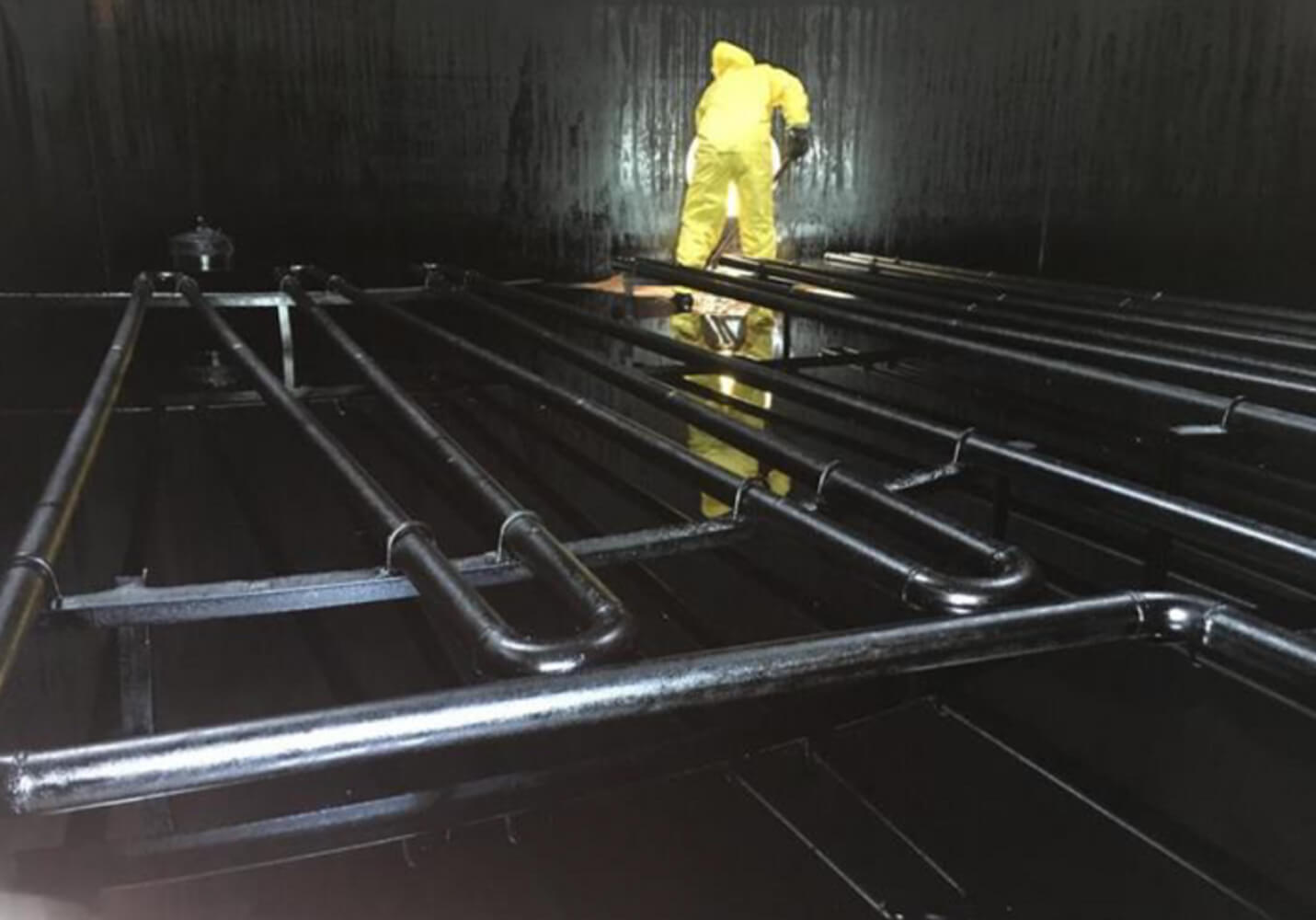
After the fuel is removed, any remaining residue inside the tank is removed using various industrial cleaning methods, which may include:

These techniques allow for the removal of encrustations and residues adhered to the walls and bottom of the tank, restoring the proper operating conditions of the reservoir.

Procedures for cleaning oil tanks

Tank cleaning for decommissioning.

In some cases, the oil tank cleaning It is carried out as part of a process of decommissioning of reservoirswhen the equipment will be permanently deactivated.

In these situations, an additional step known as may be necessary. tank inerting, which consists of using saturated steam to eliminate the presence of flammable vapors or an explosive atmosphere inside the reservoir.

After this security step, it is possible to carry out activities such as:

This process allows metallic materials to be reused, and can even generate new products. financial return for the company that owns the tank.

Benefits of oil tank cleaning

The periodic performance of oil tank cleaning It provides several operational and economic benefits for companies that use fuel storage systems.

Among the main advantages are:

These factors contribute directly to the safety of industrial facilities and to the optimization of operational processes.

TSL: specialist in oil tank cleaning

THE TSL Engineering, Maintenance and Environment has more than 40 years of experience in providing industrial cleaning services.including Cleaning of oil tanks used in industrial facilities and fuel storage systems..

The company has specialized technical teams, modern equipment, and rigorous safety procedures for performing services in complex industrial environments.

Among TSL's distinguishing features are:

Furthermore, the company holds important certifications that demonstrate its commitment to quality, safety, and environmental management, including:

With tradition, technology and a commitment to excellence, the TSL Engineering, Maintenance and Environment offers complete solutions in oil tank cleaning, serving different industrial segments with safety and efficiency.

Contact TSL's sales department to learn about available solutions and request a quote for services. oil tank cleaning.

Diesel tank cleaning

In diesel oil tanks, the most common problem is water accumulated at the bottom, coming from condensation and from refueling itself. Water promotes the formation of sludge at the tank bottom, which contaminates the fuel, clogs filters and accelerates internal corrosion.

Cleaning removes the remaining diesel, free water and accumulated sludge, followed by washing of the internal surfaces. The oily residue is collected and disposed of with full traceability. In supply tanks for generators and fleets, periodic cleaning preserves fuel quality and the reliability of the equipment that depends on it.

Heavy fuel oil (BPF) tank cleaning

BPF fuel oil (low pour point heavy fuel oil) is viscous at ambient temperature. In BPF tanks, dense sludge builds up at the bottom and does not flow with ordinary pumping. For this reason, cleaning starts by heating the product with saturated steam, which reduces viscosity and allows the recoverable oil to be transferred to another tank.

After the transfer, the remaining sludge is removed by suction, manual or mechanized removal and high-pressure hydroblasting. Steam is also used for tank inerting when hot work or decommissioning is involved. For an overview of the service, see industrial tank cleaning.

Flammables and confined spaces: NR-20 and NR-33

Oil and fuel tanks store flammable and combustible products, so cleaning follows NR-20 (Brazilian regulation for flammables and combustibles), which covers safety in handling these products, as well as NR-33 (Brazilian regulation for confined spaces) for tank entry, since the tank is a confined space. In practice, this means control of ignition sources, atmosphere monitoring before and during entry, ventilation and an entry permit. For diesel tanks at generators, fleets and bases, see fuel tank cleaning.

Frequently asked questions

Why clean oil tanks periodically?

Because sediment, sludge, particles, oxidation residue and water accumulate at the bottom, reduce useful volume and compromise fuel quality, in addition to promoting internal corrosion.

How does oil tank cleaning begin?

By pumping the remaining fuel into another reservoir. When the oil is viscous, it is heated with saturated steam to make pumping easier.

Which methods remove residue from an oil tank?

Manual removal of solids, high-pressure hydroblasting, mechanical cleaning of surfaces and suction of sludge and sediment.

What does oil tank cleaning for decommissioning involve?

It includes inerting the tank with saturated steam, which eliminates flammable vapors, before activities such as cutting the steel structures.