+55 11 2196-2300 tsl@tsleng.com.br São Paulo · Macaé, Brazil

Oily Water Treatment

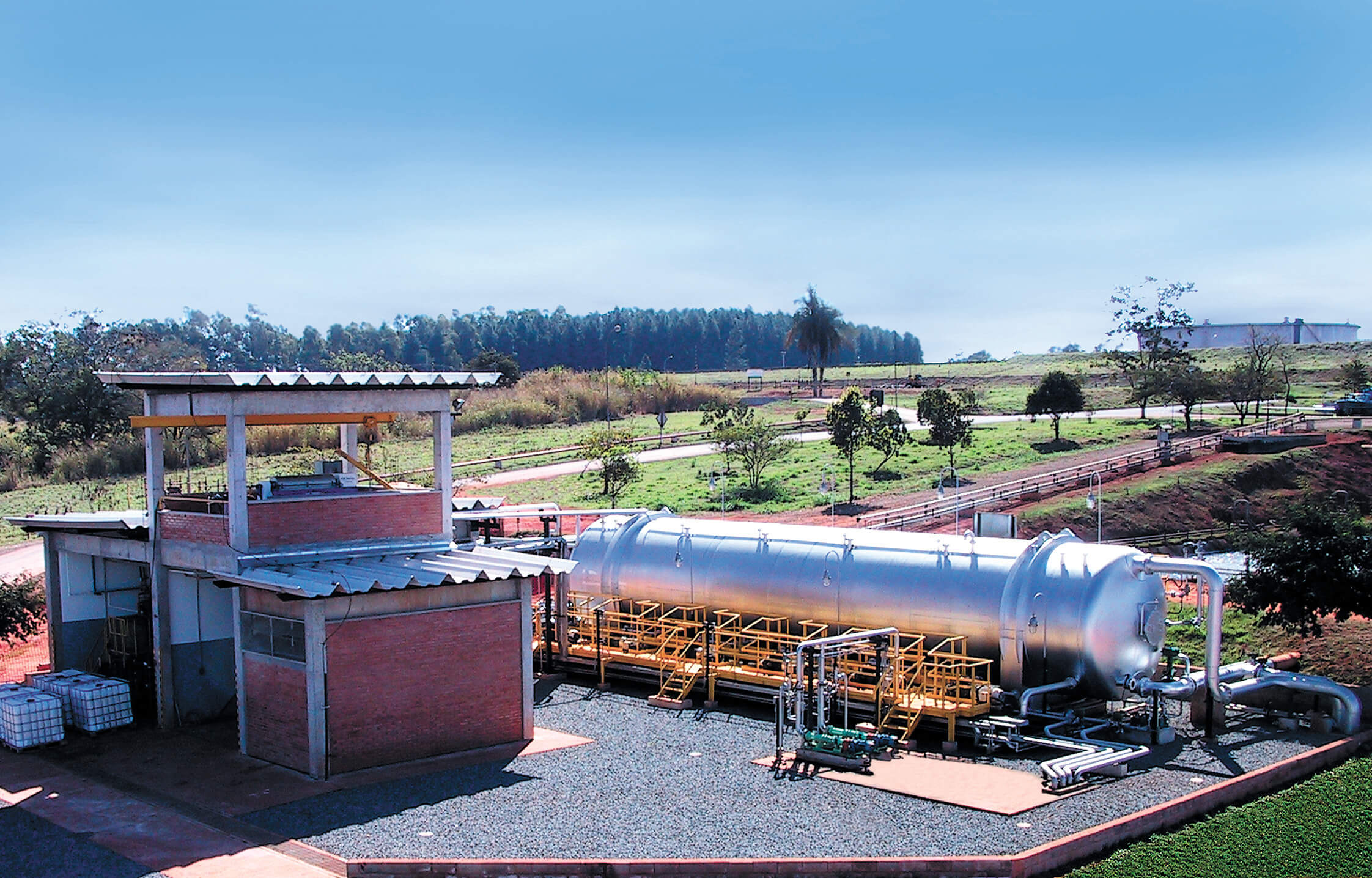
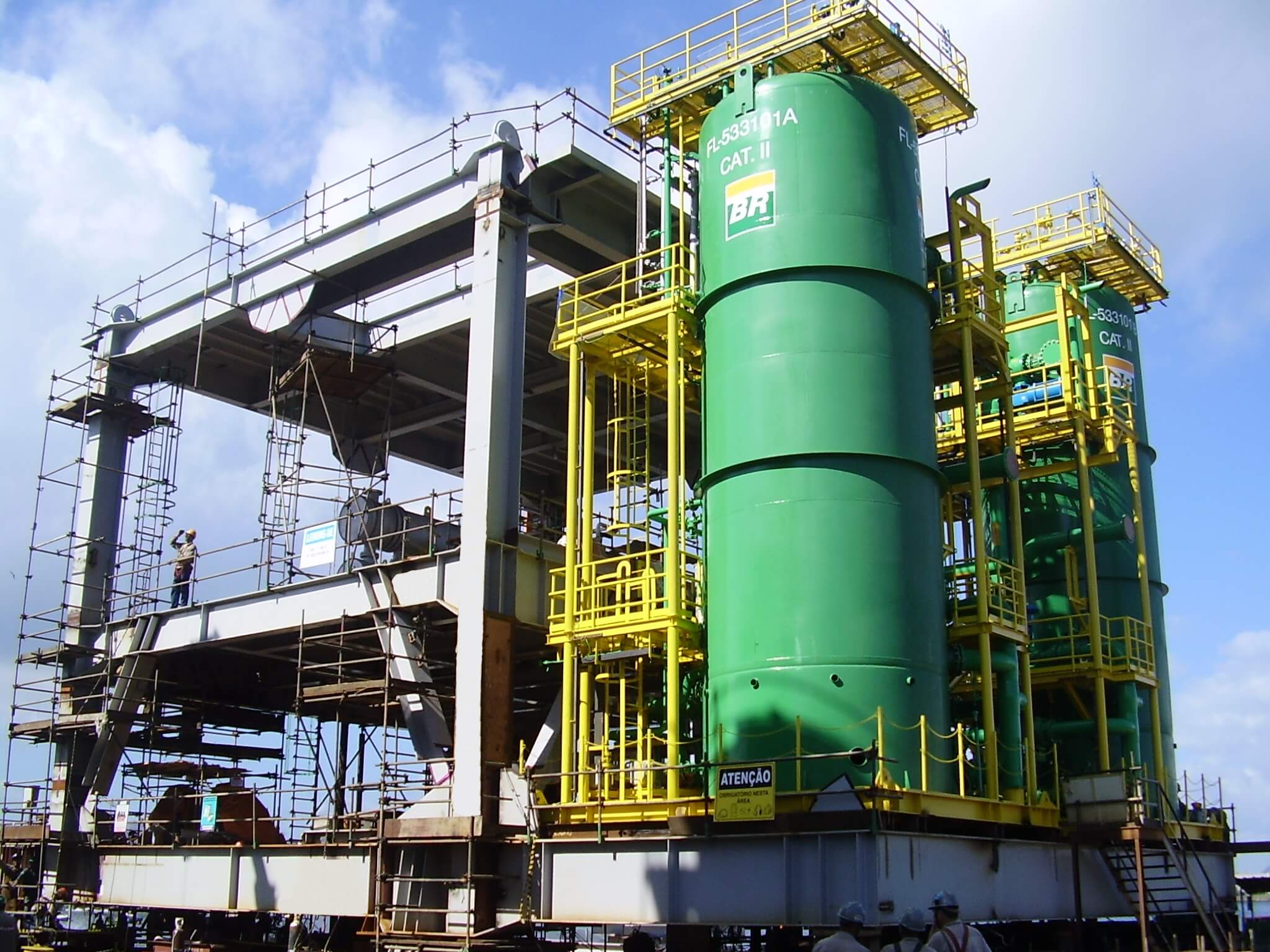
State-of-the-art technology in oily water treatment.

THE oily water treatment It is a multifaceted challenge, where the system's effectiveness is determined by the physical nature and dimensions of the hydrocarbons present in the effluent. The main technical distinction lies in the diameter of the oil particles, which requires specific approaches and technologies for each separation scenario.

THE TSL Engineering and Services It operates with engineering solutions that cover the entire spectrum of contamination, ensuring that everything from free oil to soluble fractions is treated with the technology best suited to its degree of dispersion.

State-of-the-art technology in oily water treatment.

The Challenge of Micrometric Dimensions in Phase Separation

For a oily water treatment To be efficient, it is necessary to identify the physical state of the hydrocarbon, since the behavior of the particles changes drastically according to their size:

The Challenge of Micrometric Dimensions in Phase Separation

TSL Technologies for Every Contamination Scale

THE TSL It applies a diverse portfolio of technologies, selecting the ideal method based on particle size and the project's purity objective.

Technical Authority and Industrial Trust

With over 40 years of experience, the TSL understands that there is no single solution for the oily water treatmentEach plant requires a detailed technical analysis.

Does your facility require a precise solution for treating complex waters?

Get in touch with TSL And rely on our consulting engineering to identify the best technology for your volume and pollution load scenario.

Frequently asked questions

What types of oil are present in oily water?

Free oil, with particles generally above 150 µm; dispersed oil, with droplets between 20 µm and 150 µm; emulsified oil, below 20 µm; and dissolved oil, in microscopic or soluble fractions.

Does free oil need flotation to be separated?

Not necessarily. Because its particles are larger, free oil separates naturally by gravity. Flotation is recommended for dispersed and emulsified oil.

How are fine emulsified oil and dissolved oil treated?

With polishing systems and highly selective physical barriers, such as filtration and membranes, custom-built to reach strict TOG (oil and grease) levels.

How does TSL choose the oily water treatment technology?

Based on the size of the oil particles and the purity target of the project. Each plant undergoes a technical analysis, because there is no single solution for every effluent.