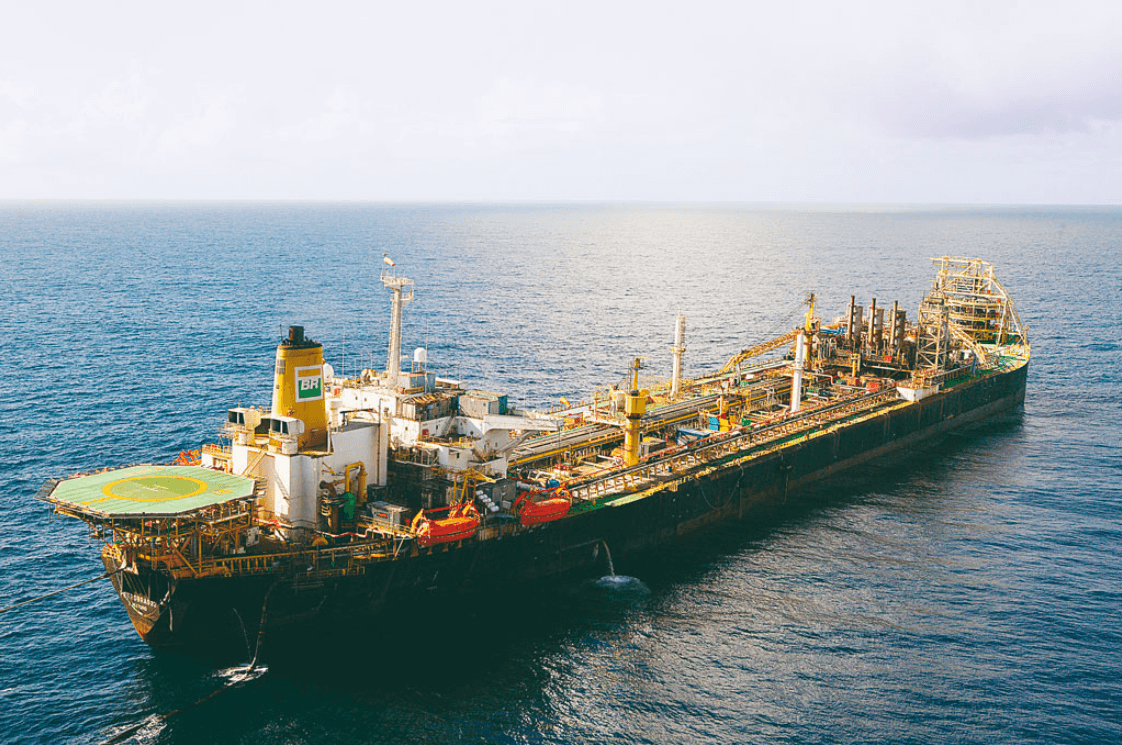
Decommissioning is the set of activities that ends the operation of an oil and gas production facility at the end of its service life: shutting down production, cleaning and decontaminating equipment, removing or disposing of structures and restoring the area environmentally. In Brazil, the process for exploration and production facilities is regulated by the ANP (National Agency of Petroleum, Natural Gas and Biofuels) under ANP Resolution 817/2020, and also requires environmental licensing from IBAMA (Brazilian federal environmental agency) and compliance with Brazilian Navy requirements.
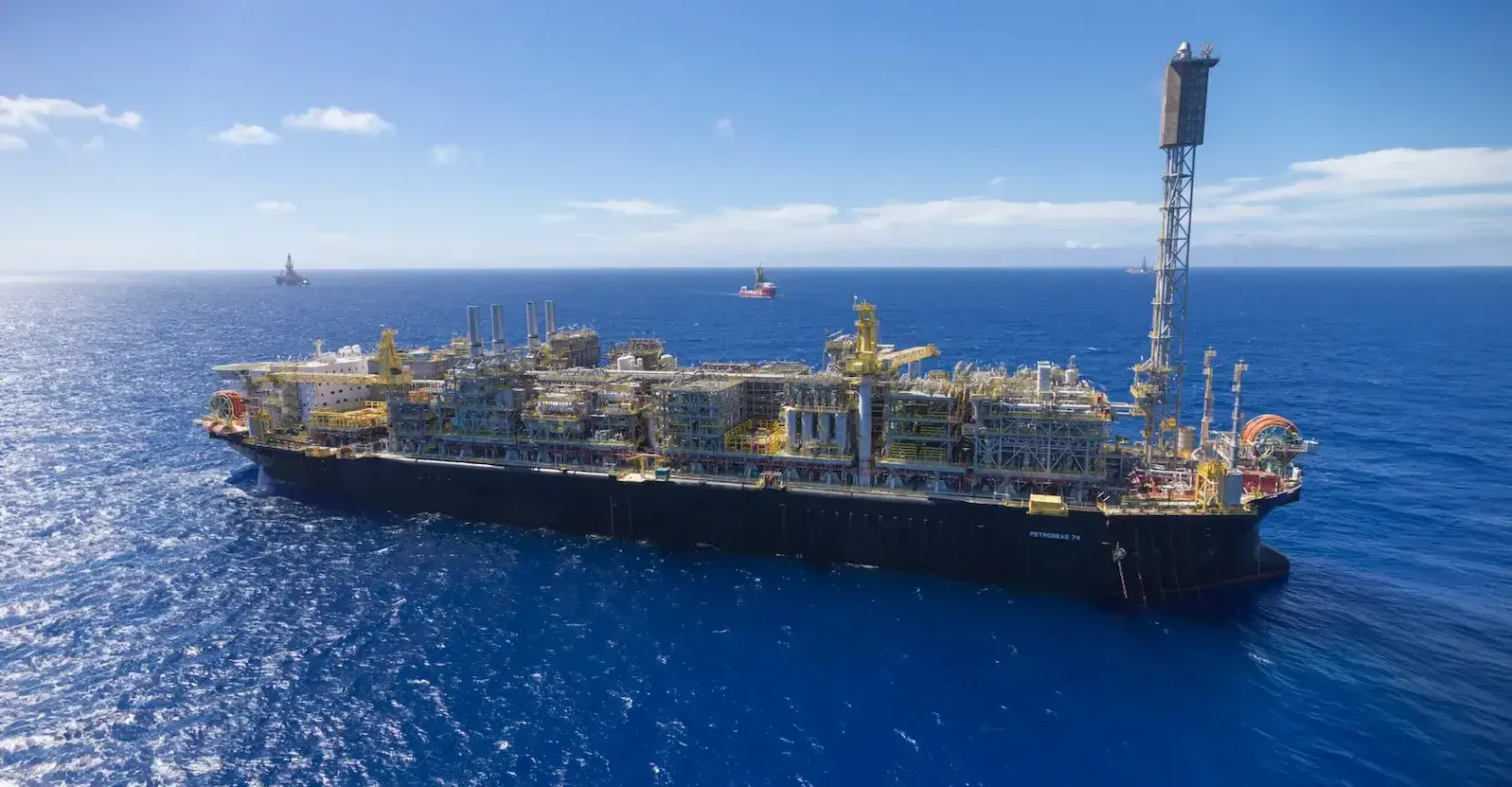
Cleaning is a central stage: tanks, lines and equipment that have contained hydrocarbons must be clean and inerted before dismantling, to eliminate the risk of explosion and contamination.
With an operational base in Macaé (RJ), TSL serves units in the Campos Basin and other locations, with crews trained for offshore work and confined space entry, and operations governed by ISO 9001, ISO 14001 and ISO 45001. See also offshore maintenance.
It is the process of safely deactivating a platform at the end of its service life, including cleaning, waste removal, inerting and dismantling, in compliance with environmental standards and the rules of ANP (Brazil's National Agency of Petroleum, Natural Gas and Biofuels).
The stages include planning, cleaning and decontamination of equipment, inerting of tanks and lines, waste removal and environmentally sound disposal of materials.
Cleaning is a central stage: tanks, lines and equipment that held hydrocarbons must be cleaned and inerted before any dismantling, to eliminate explosion and contamination risks.
The process follows ANP resolutions and the environmental requirements of IBAMA (Brazil's federal environmental agency), as well as the safety standards applicable to offshore operations.