Piping and pipelines that have carried hydrocarbons retain flammable vapors even after being drained. Before any hot work, line opening, internal cleaning or decommissioning, the line is inerted: inert gas or saturated steam displaces the oxygen and vapors until the atmosphere is below the safe limit.
Pipe inerting is applied before startups and shutdowns, before pipeline cleaning with pigs or water jetting, and when decommissioning lines. The result is verified by measuring the atmosphere along the line.
In displacement purging, the inert gas pushes the existing atmosphere out of the line, like a piston. It is efficient in long lines with constant diameter. In dilution purging, the inert gas is injected and mixed with the internal atmosphere in cycles until the oxygen concentration drops to the required value. It is used in equipment with complex geometry, where displacement does not reach every point.
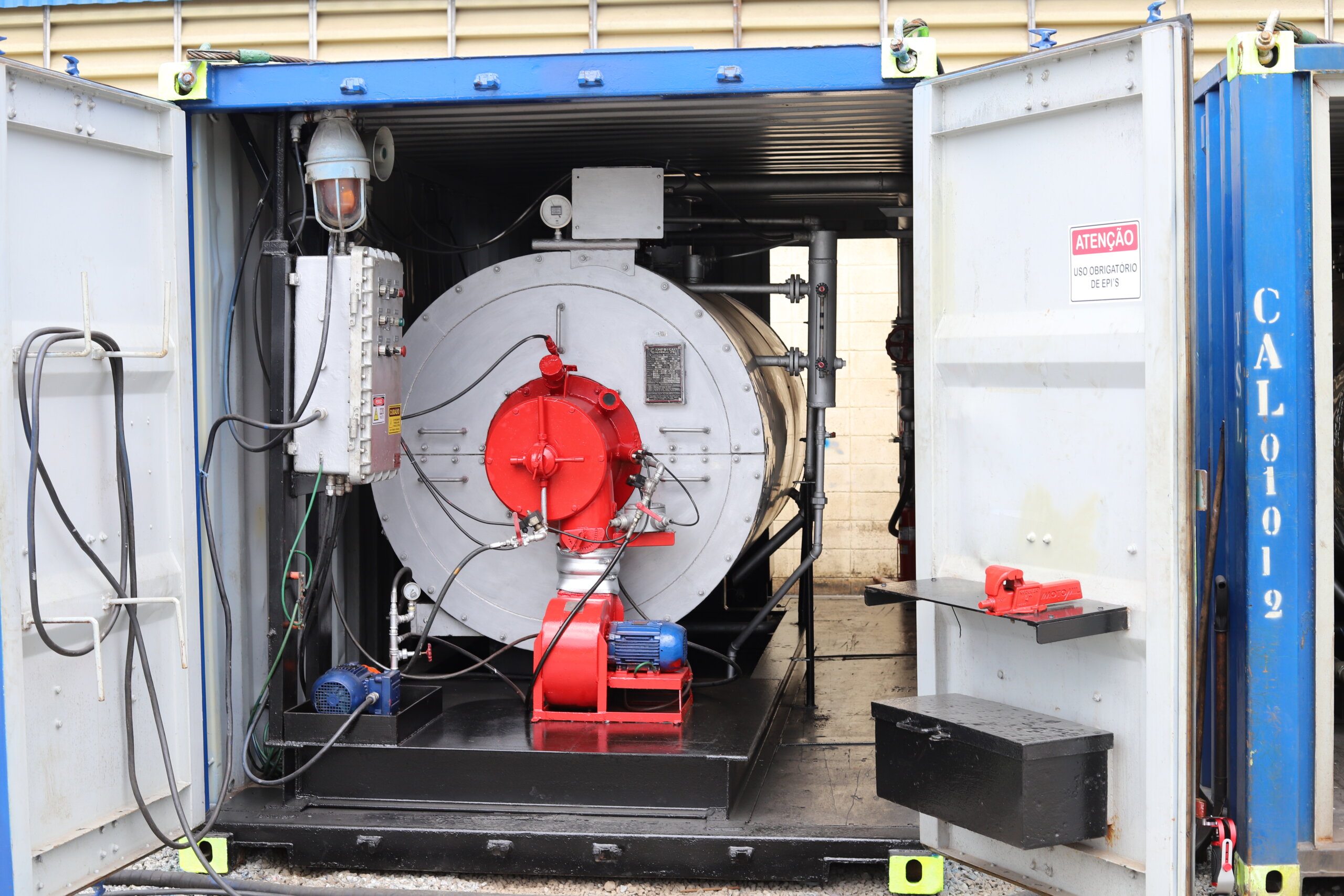
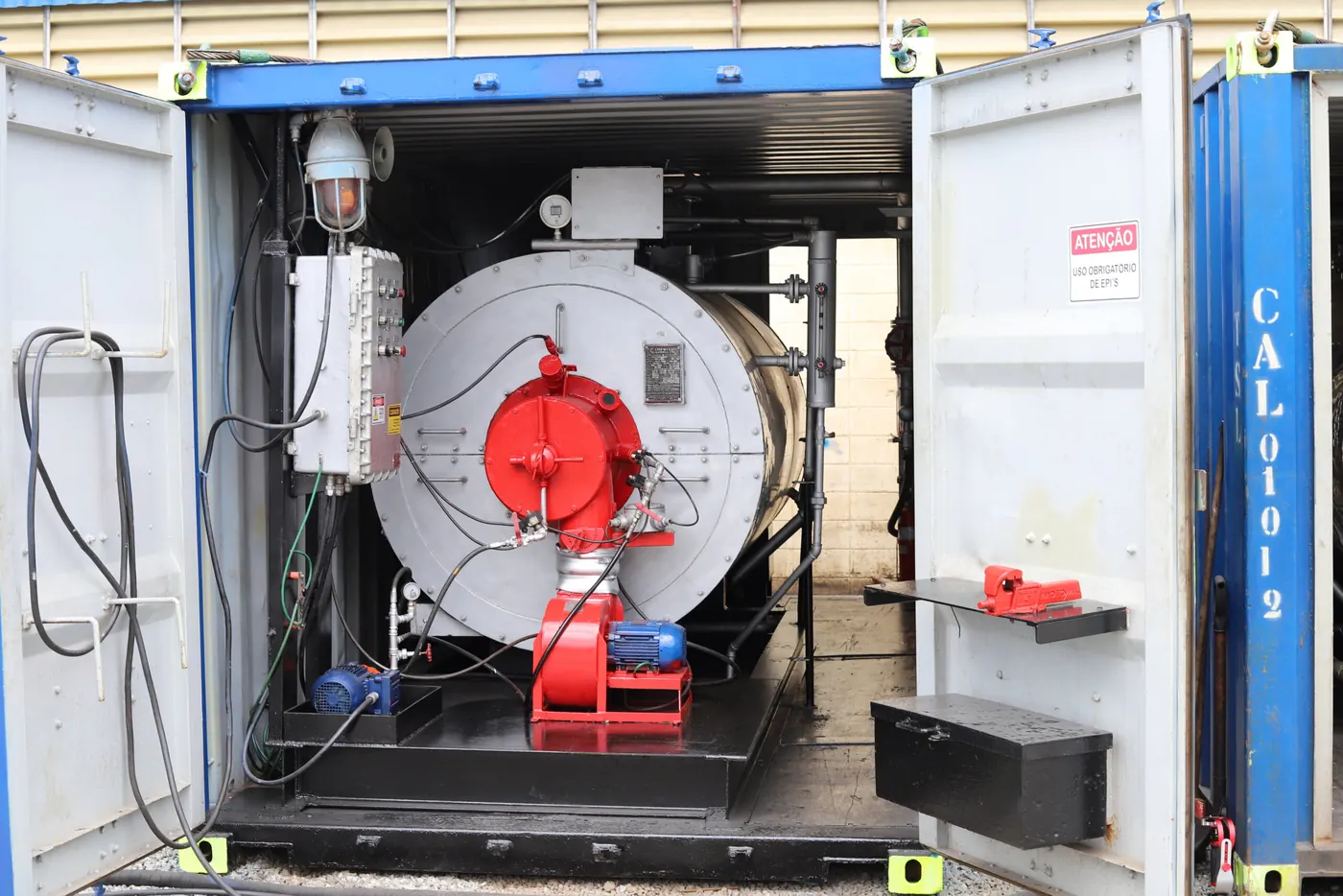
The most widely used gas is nitrogen: it is inert, does not react with hydrocarbons and can be supplied in large volumes. It displaces oxygen and flammable vapors until the concentration is below the safe limit defined for the product. In equipment that also requires removal of oily residues, TSL uses saturated steam, which inerts and at the same time carries away the hydrocarbons adhered to the walls. The method and the oxygen limit are defined in the inerting design, in accordance with NFPA 69.