+55 11 2196-2300 tsl@tsleng.com.br São Paulo · Macaé, Brazil

Ship Tank Cleaning

Ship Tank Cleaning

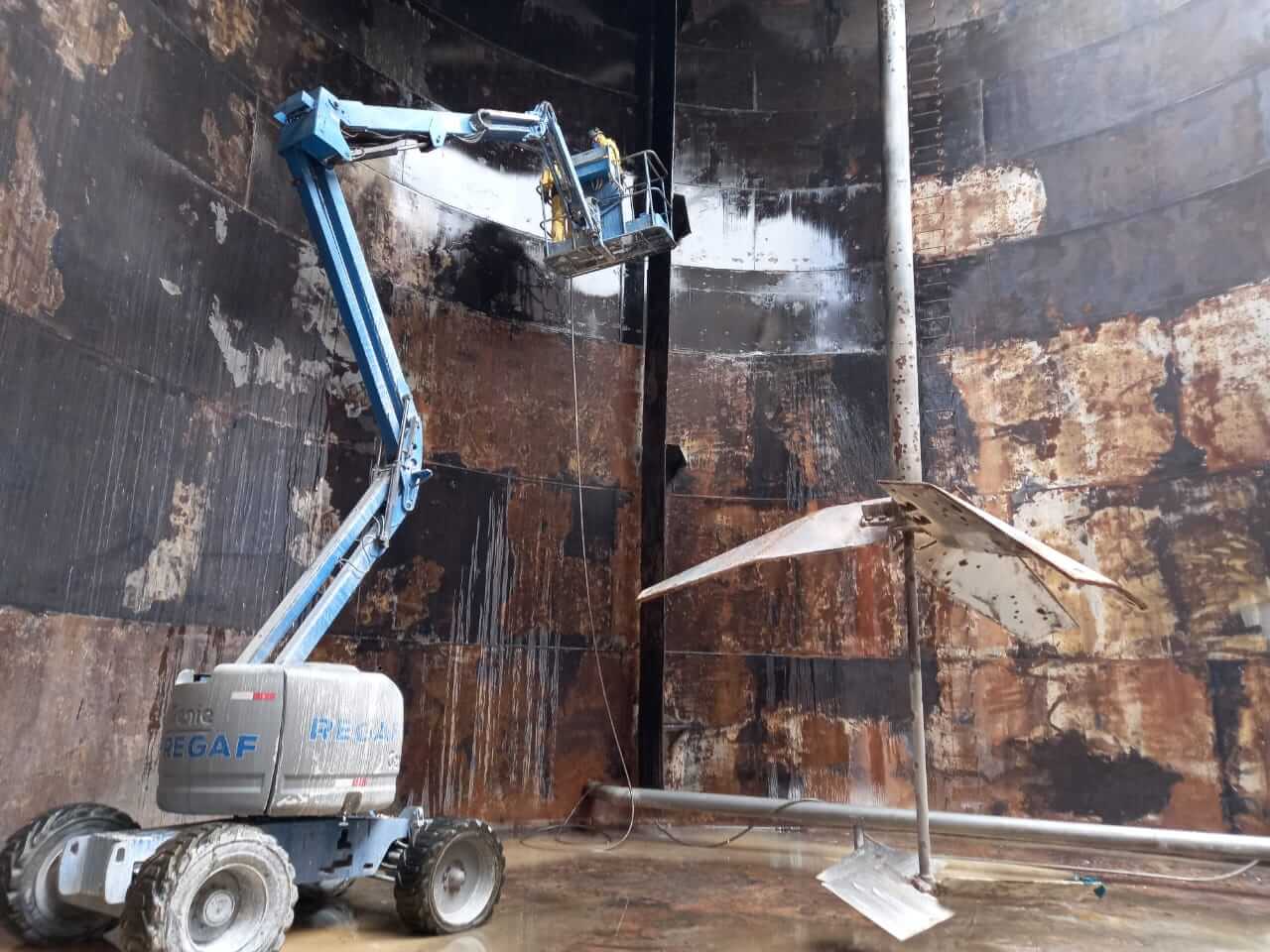
THE cleaning ship tanks It is a fundamental activity to guarantee the safety, operational efficiency, and integrity of maritime cargo transport operations. This service is mainly performed in cargo ships, oil tankers and vessels used in the transport of commodities, which often require internal cleaning of their tanks before receiving a new load.

In recent decades, Brazil has established itself as one of the world's leading exporters of commodities, such as... grains, ores, fuels and chemicalsThe transportation of these products is mainly carried out by large maritime vessels, which use specific tanks or holds for cargo storage.

During logistics operations, it is common to need to perform the cleaning ship tanksespecially when the vessel finishes a voyage and needs to prepare to receive a new cargo.

Ship Tank Cleaning

Importance of cleaning ship tanks

THE cleaning ship tanks It is essential to prevent contamination between different types of cargo being transported. After unloading a product, residues may remain inside the tank, which need to be removed before loading the next shipment.

This process ensures that the new cargo is stored properly, preventing unwanted mixtures that could compromise the quality of the transported product.

For example, imagine the possibility of mixing different agricultural products, such as soybeans and corn, or even combine food waste with mineral raw materials...such as iron ore. Situations like these can lead to significant operational and commercial losses.

For this reason, the cleaning ship tanks It is an important step in port operations and maritime logistics, ensuring that each cargo is transported in suitable conditions.

Importance of cleaning ship tanks

Tank cleaning as preventative maintenance.

In addition to the cargo exchange, the cleaning ship tanks It can also be carried out as part of a program of preventive maintenance of vessels.

Over time, it is common for residue to gradually accumulate inside the tanks, such as:

These materials can reduce the tank's usable volume and compromise the efficiency of loading and unloading operations.

In more severe cases, the accumulation of waste can even cause corrosion or structural damagemaking the periodic performance of cleaning ship tanks.

Proper maintenance of these structures helps to increase the lifespan of the tanks and ensure the safety of maritime operations.

Techniques used in cleaning ship tanks

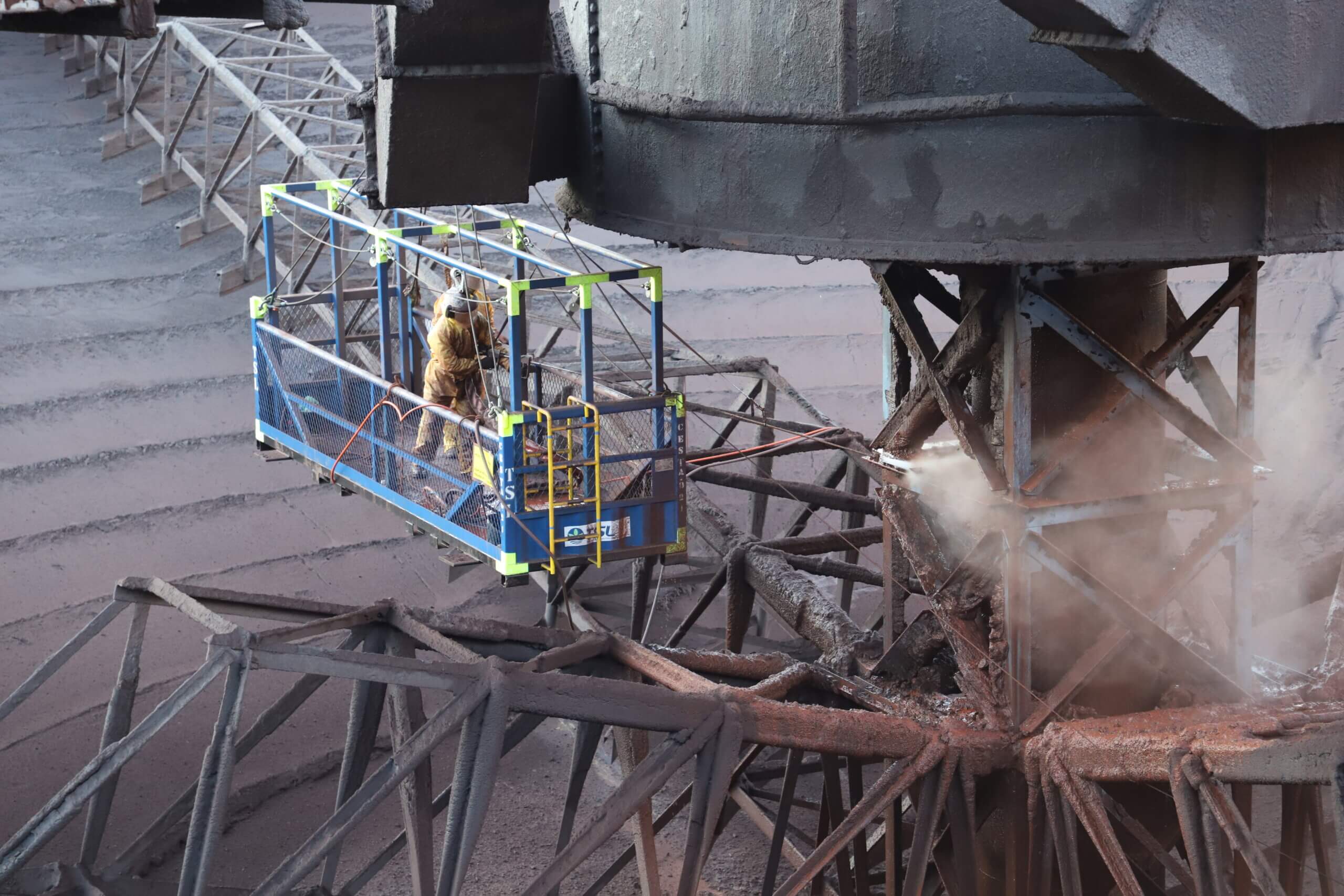
THE cleaning ship tanks It can involve different industrial cleaning techniques, depending on the type of cargo being transported, the level of contamination, and the characteristics of the tank.

Among the most commonly used methods are:

These techniques allow for the removal of residues adhered to internal surfaces, restoring suitable conditions for the storage of new loads.

Safety in cleaning operations

THE cleaning ship tanks It is considered a complex activity because it often involves work in confined spaces, presence of hazardous waste and specific operating conditions of the vessels.

Therefore, these activities should be carried out by specialized companies that possess:

Adopting these practices ensures the safe and efficient execution of cleaning activities.

Safety in cleaning operations

TSL: Specialist in cleaning ship tanks

THE TSL Engineering, Maintenance and Environment has extensive experience in performing services of Industrial cleaning and ship tank cleaning, operating in various port and industrial activities.

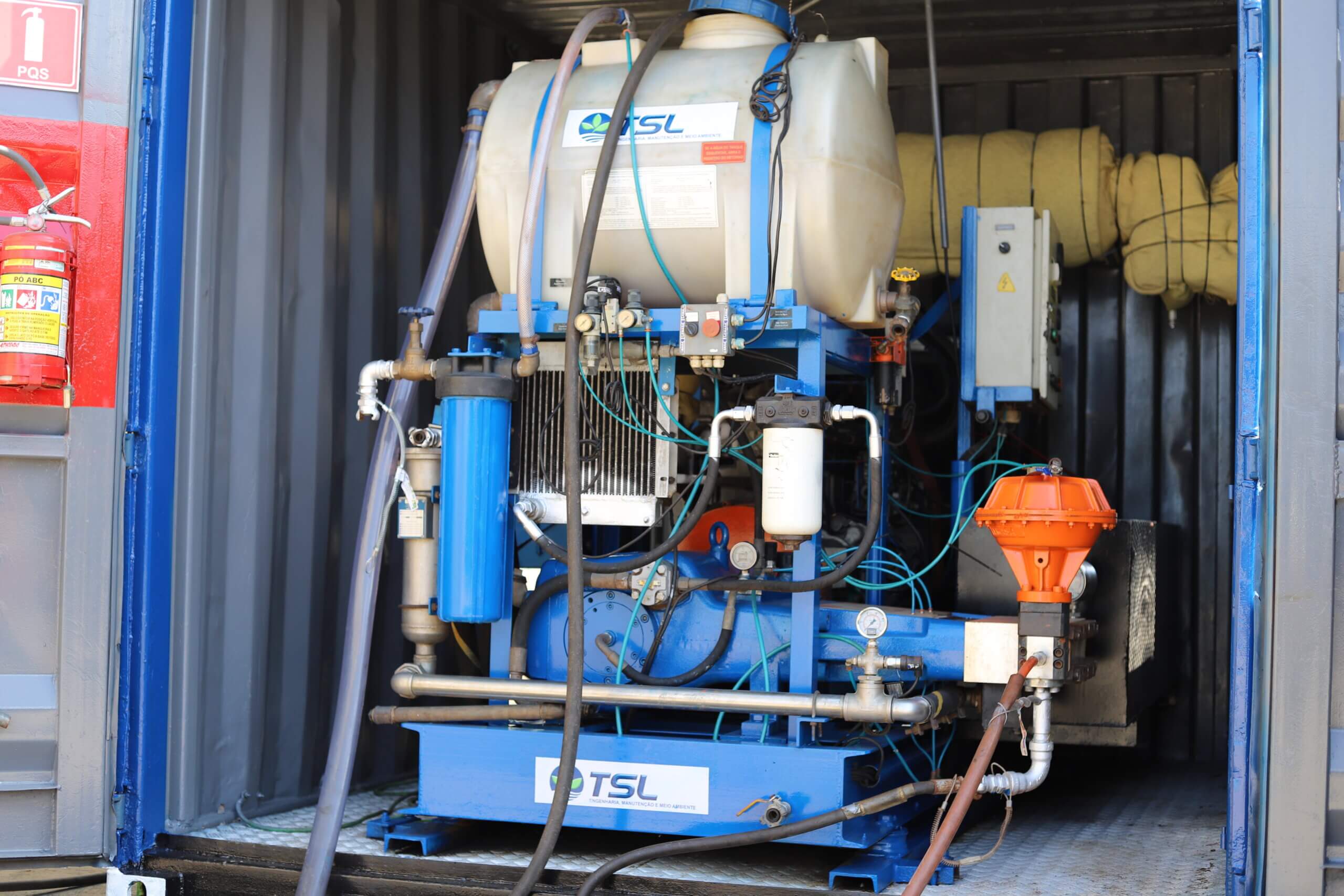
With a qualified technical team and specialized equipment, the company performs cleaning services on various types of tanks used in maritime cargo transportation.

Among the activities carried out by TSL are:

With tradition, technology and a commitment to safety, the TSL Engineering, Maintenance and Environment offers complete solutions for cleaning ship tanks, contributing to the efficiency of maritime operations and the integrity of transported cargo.

Liquid cargo, fuel and ballast tanks

In addition to bulk cargo holds, ships have liquid cargo, fuel and ballast tanks that require technical cleaning in a confined space. Fuel tanks accumulate sludge and water. Ballast tanks accumulate sediment. Chemical or petroleum product cargo tanks must be cleaned before receiving a different product, to prevent contamination.

In these tanks, TSL performs sludge removal, high-pressure hydroblasting, chemical cleaning when the product requires it, and disposal of oily and chemical waste, in port, at the shipyard or at sea. For oil tankers, with crude oil washing, slop tanks and gas freeing, see oil tanker tank cleaning. For production units, see offshore tank cleaning.

MARPOL and cleaning waste

Annex I of the MARPOL Convention covers the prevention of pollution by oil and regulates the handling of oily residues on board. When cleaning ship fuel (bunker) tanks, sludge tanks and oily cargo tanks, the removed residue is taken ashore for documented disposal, which helps the shipowner keep the onboard records in order. The details for tankers are on oil tanker tank cleaning.

Frequently asked questions

Why clean a ship's tanks between cargoes?

To prevent contamination between different cargoes. Residue from the previous product must be removed before the next cargo is loaded.

What residue accumulates in ship tanks?

Cargo sediment, scale, solid or oily residue and deposits adhered to the internal surfaces.

Which techniques are used in ship tank cleaning?

High-pressure hydroblasting, mechanical removal, specialized chemical cleaning, suction of sludge and sediment, and internal washing of surfaces.

Is ship tank cleaning also preventive maintenance?

Yes. Residue build-up reduces the tank's useful volume and can cause corrosion or structural damage. Periodic cleaning extends the service life of the tanks.