

What a pig is and what it is used for
A pig is a device that travels through the inside of a pipeline to clean, gauge or inspect it. It is inserted into the line through a launcher, moves forward propelled by the product itself or by a driving fluid, and is retrieved at a receiver at the other end. The operation is called pigging.
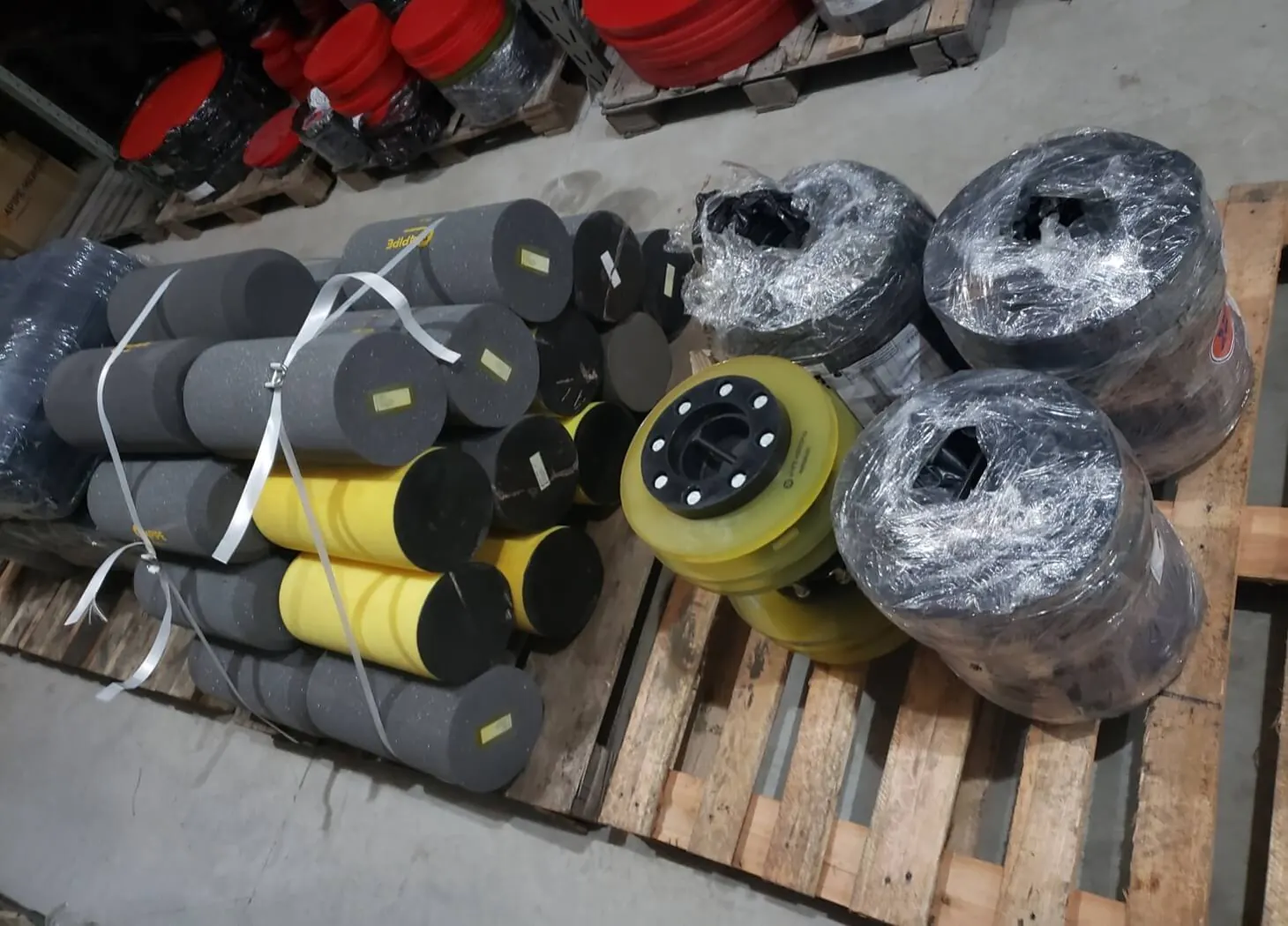
Pigging is the most efficient method for long pipelines: it cleans the entire line in a single pass, without opening the pipeline and, in many cases, without interrupting flow. That is why it is part of routine maintenance for oil pipelines, gas pipelines and transfer lines at refineries, terminals and offshore units.
Types of pigs
| Type | Function |
|---|---|
| Cleaning pig | Removes paraffin, sludge, sediment and scale from the walls. It may have polyurethane cups and discs, steel brushes or a foam body, depending on the deposit and the diameter. |
| Gauging pig | Checks whether the pipeline has a clear internal diameter for larger tools to pass, before an inspection run. |
| Instrumented pig | Inspects the integrity of the line, identifying wall thickness loss, dents and other points that require maintenance. |
The choice depends on the product transported, the type of deposit, the diameter and the bends in the line. In pipelines prone to deposition, periodic runs of cleaning pigs prevent deposits from hardening and requiring heavier intervention.
Pig maintenance
With every run, the sealing and cleaning elements wear. A pig with worn cups or discs loses contact with the pipeline wall: it lets product bypass, cleans less effectively and can get stuck in the line, turning a routine task into an unplanned shutdown.
Maintenance includes inspecting the body and elements after each use, replacing cups, discs and brushes, checking metal components and preparing the pig for the next run. Keeping a record per pig and per line makes it possible to predict part replacement and plan runs.
Logistics and storage
Polyurethane elements age when exposed to heat and sunlight, which shortens the pig's service life even before use. TSL handles pickup, transport and storage of pigs in a refrigerated environment, preserving the components between runs.
Removing the pig at the receiver is also part of the service: the material pushed out by the run is collected and sent to waste management, with traceability documentation.
Pigs integrated with pipeline cleaning
TSL supplies, maintains and stores pigs, and also performs pigging operations, which allows the entire cycle to be managed by a single supplier. When deposits are severe or the pipeline does not allow a pig to pass, cleaning is complemented with high-pressure hydroblasting, preceded by inerting when the line has contained hydrocarbons. See the methods in pipeline cleaning.
Frequently asked questions
What is a pipeline pig?
It is a device inserted into the pipeline through a launcher and propelled by the product flow itself or by a driving fluid. As it travels along the line, it removes material adhered to the walls, checks the geometry or inspects the integrity of the pipeline, depending on the type.
What are the types of pigs?
Cleaning pigs, which remove deposits; gauging pigs, which check whether the pipeline allows larger tools to pass; and instrumented pigs, which inspect the integrity of the line.
Why do pigs need maintenance?
Cups, discs and brushes wear with every run. A pig with worn elements loses its seal against the pipeline wall and stops cleaning, and it can also get stuck in the line.
How are pigs stored?
In a controlled environment that preserves the polyurethane elements. TSL handles pickup, transport and storage of pigs in a refrigerated environment.