The two main methods are selected according to the type of pipeline, the product it carries and the degree of fouling.
Pigging consists of running a device, the pig, through the inside of the pipeline, driven by the product flow itself or by a propelling fluid. The pig fits the internal diameter and removes material adhered to the walls as it advances.
It is the most efficient method for long pipelines, because it cleans the entire line in a single run, without access to the interior. There are cleaning pigs, gauging pigs and instrumented pigs, which also inspect pipeline integrity.
TSL supplies, maintains and stores pigs and also performs pigging operations, so the entire cycle can be managed with a single supplier. Learn more about pig sales, maintenance and storage.
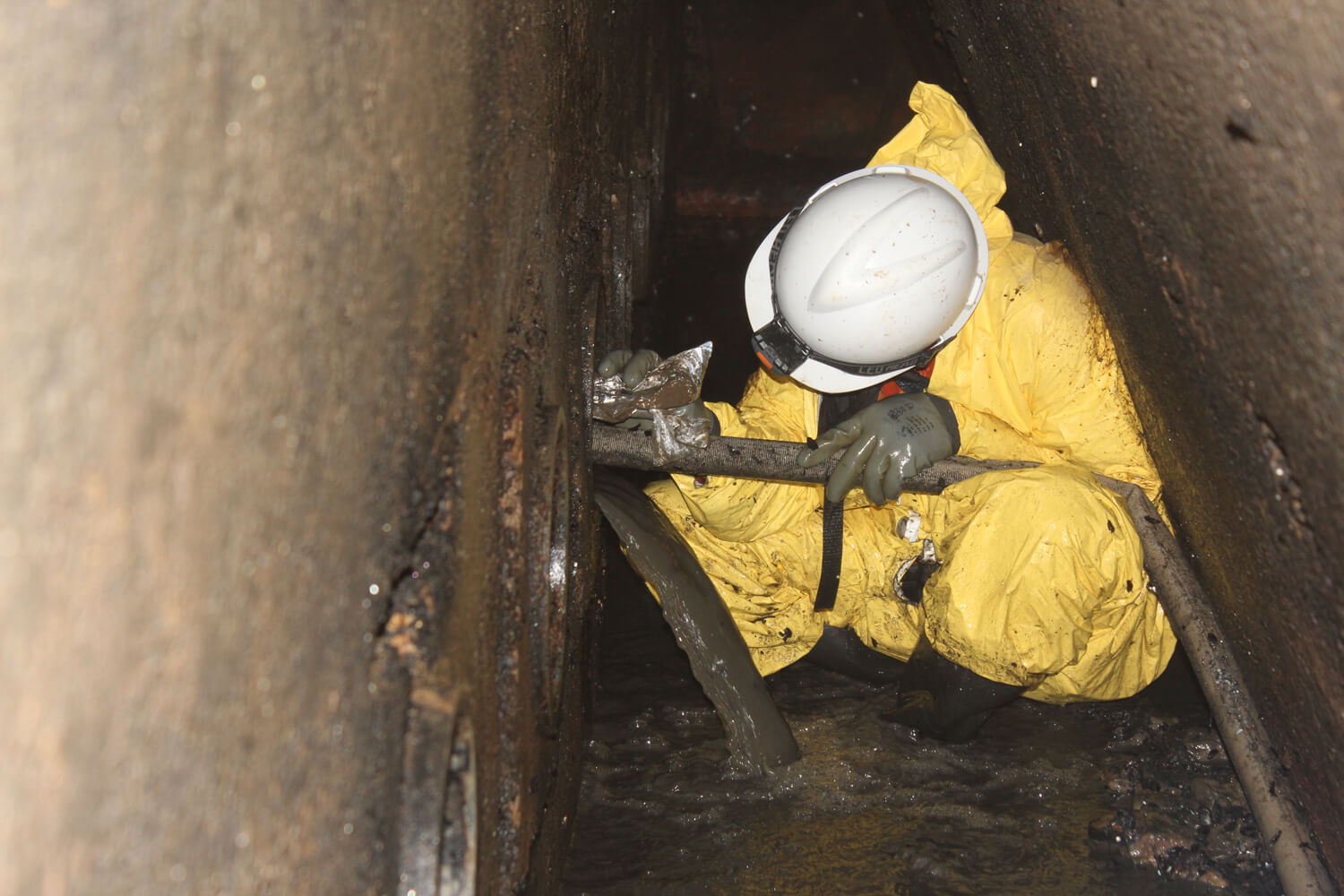
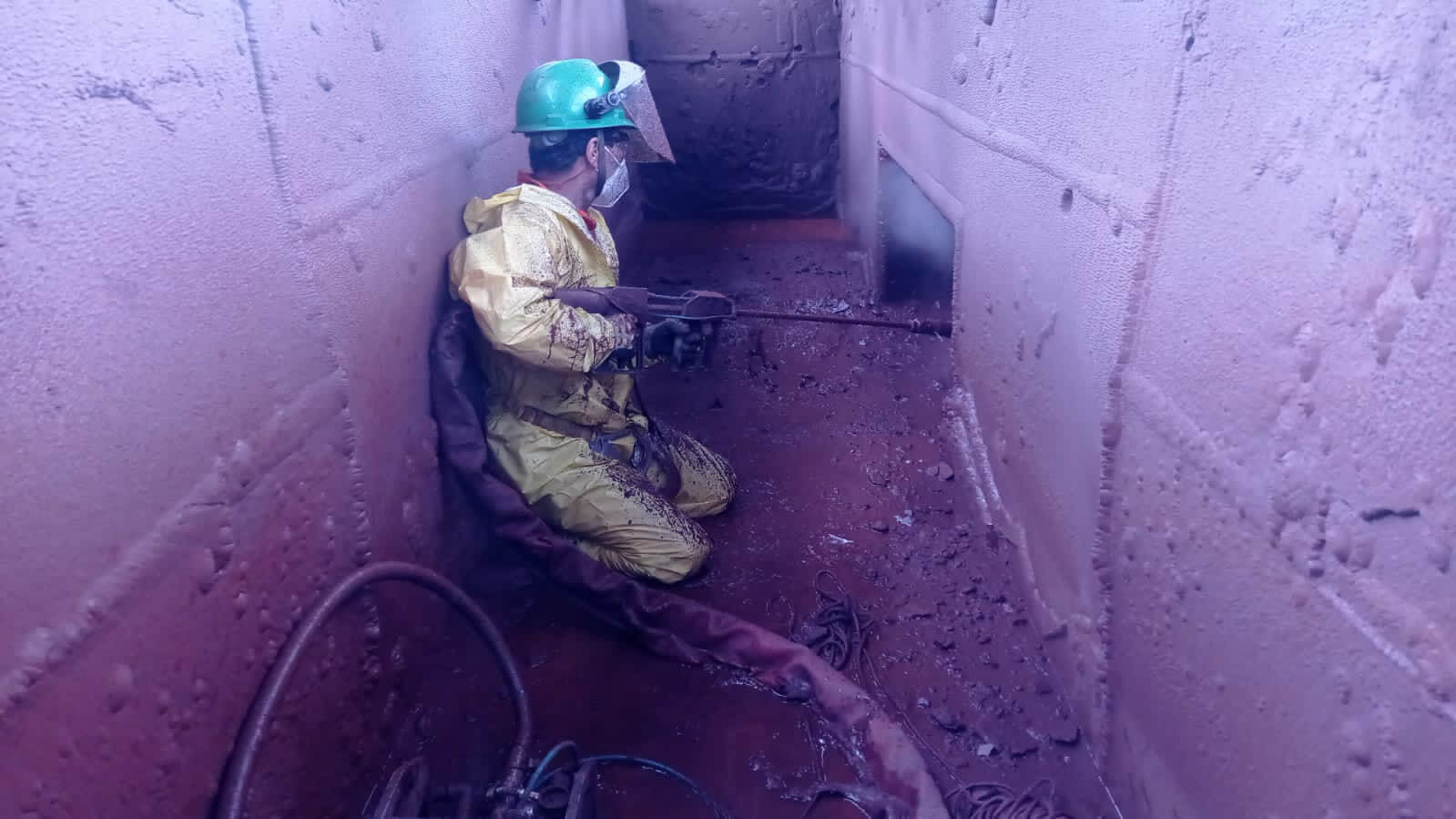
In shorter pipelines with access to both ends, high-pressure hydroblasting removes scale through the direct impact of pressurized water.
It is the recommended method when fouling is severe, when the pipeline does not allow a pig to pass, or when a higher level of cleanliness is required for subsequent inspection.
Signs that cleaning is needed:
In pipelines carrying products prone to deposition, such as paraffins, sludge and products with suspended solids, scheduled periodic cleaning is more cost-effective than corrective cleaning.
High-pressure and ultra-high-pressure hydroblasting, with equipment operating from 1,800 PSI (about 124 bar) to 40,000 PSI (about 2,760 bar), and running PIGs through the line.
It is a device made of steel or a synthetic material such as polyurethane, inserted into the pipeline through launchers. As it travels along the line, it removes scale and residue from the internal walls and can also be used to inspect the pipeline.
To eliminate flammable vapors and increase the safety of the job. Inerting is done with saturated steam or another inert medium.
It starts with inerting the lines with saturated steam, which also helps loosen the scale. This is followed by high-pressure hydroblasting or mechanized cleaning and, finally, the collection and proper disposal of the waste.