Industrial electromechanical assembly: scope, standards and execution during shutdowns
Electromechanical assembly is the set of services that takes equipment or a system from design to operation: mechanical installation, piping tie-ins, electrical supply, instrumentation and the tests that prove everything works as specified. In operating plants, much of this work happens within short shutdown windows, which requires detailed planning before mobilization.
Typical scope of an electromechanical assembly
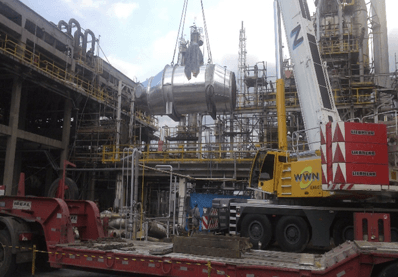
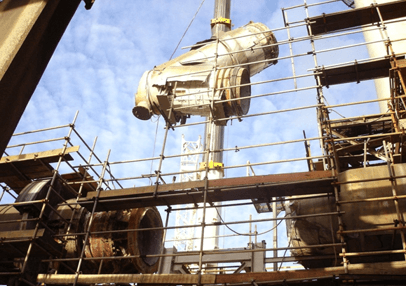
- Equipment installation: receiving, lifting, positioning, leveling, alignment and anchoring of pumps, vessels, exchangers, tanks and support structures.
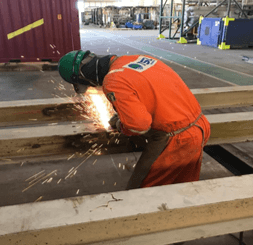
- Piping: spool prefabrication, field assembly, welding under a qualified procedure, supports and joint inspection.
- Electrical and instrumentation: routing of conduits and cable trays, cable pulling, connection of motors and panels, installation of instruments and control loops.
- Testing and commissioning: pressure and leak tests, torque verification, electrical insulation tests, loop checks and assisted startup, with each stage recorded.
Applicable regulatory standards
- NR-10: safety in electrical installations and services. It sets requirements for de-energizing, lockout, signage and qualification of professionals who work with electricity.
- NR-12: safety at work with machinery and equipment. It guides guarding, stop devices and procedures when installing and working on machines.
- NR-18: occupational safety and health in the construction industry. It covers construction and assembly activities, including site organization, load handling and scaffolding.
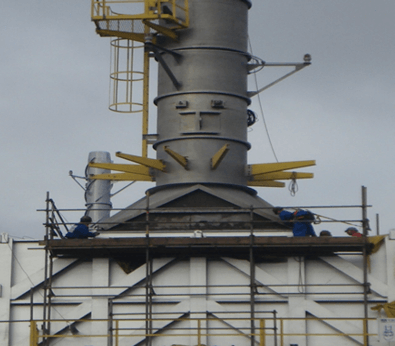
- NR-35: work at height. It requires risk analysis, a work permit, fall protection systems and trained workers for any activity more than 2 meters above the lower level.
Depending on the site and scope, other standards come into the planning, such as NR-33 for work in confined spaces and NR-13 when the job involves pressure vessels and boilers.
Integration with maintenance shutdowns
When assembly takes place during a scheduled shutdown, its schedule must be tied to the other work fronts: cleaning, inspection, repairs and testing. The points that most influence the outcome are:
- Early prefabrication: spools, supports and structures prepared before the shutdown reduce field work inside the window.
- Release sequence: equipment is opened only after it has been isolated, drained and cleaned, and closed only after it has been inspected.
- Work permits: hot work, height, electrical and confined space permits coordinated between crews to avoid conflicts in the same area.
- Testing before restart: the plant returns to operation only once testing is complete and documented.
For planning the other fronts of a shutdown, see industrial maintenance.