The remediation technique is not chosen from a catalog, but from the targets defined in the environmental investigation. The risk assessment states which contaminants must be treated, down to what concentration and in which medium: soil, groundwater or vapors. From there, the decision combines the behavior of the contaminant, the site geology and the future use of the area.
| Technique | How it works | Where it fits best |
|---|---|---|
| Pump-and-treat | Wells extract the contaminated groundwater, which is treated at the surface. | Hydraulic containment of dissolved plumes in aquifers with good permeability. |
| Multiphase extraction (MPE) | Vacuum is applied to remove free-phase product, water and vapors at the same time. | Hydrocarbons with free phase above the water table, in soils of medium to low permeability. |
| In situ chemical oxidation | Injection of oxidants that destroy the contaminants in the subsurface itself. | Organic compounds at high concentrations, when the timeline is short. |
| Bioremediation | Microorganisms degrade the contaminants, with or without added nutrients and oxygen. It can be in situ or in a biopile. | Biodegradable hydrocarbons, when there is time for the biological process. |
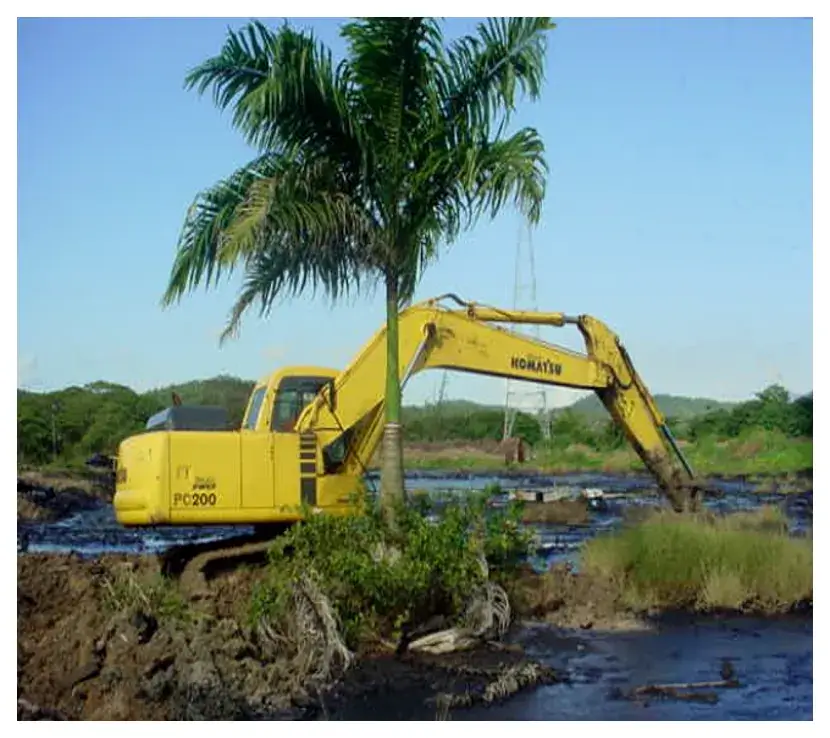
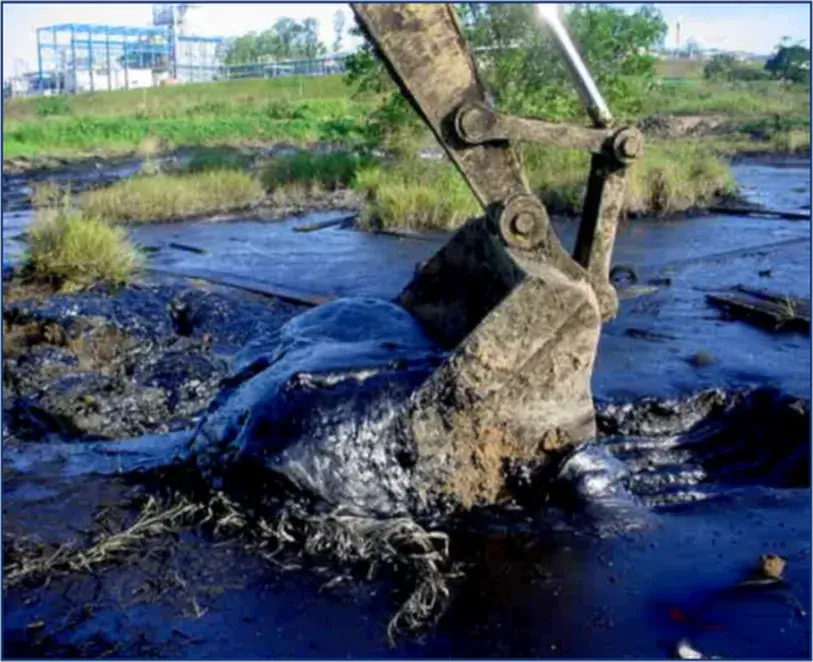
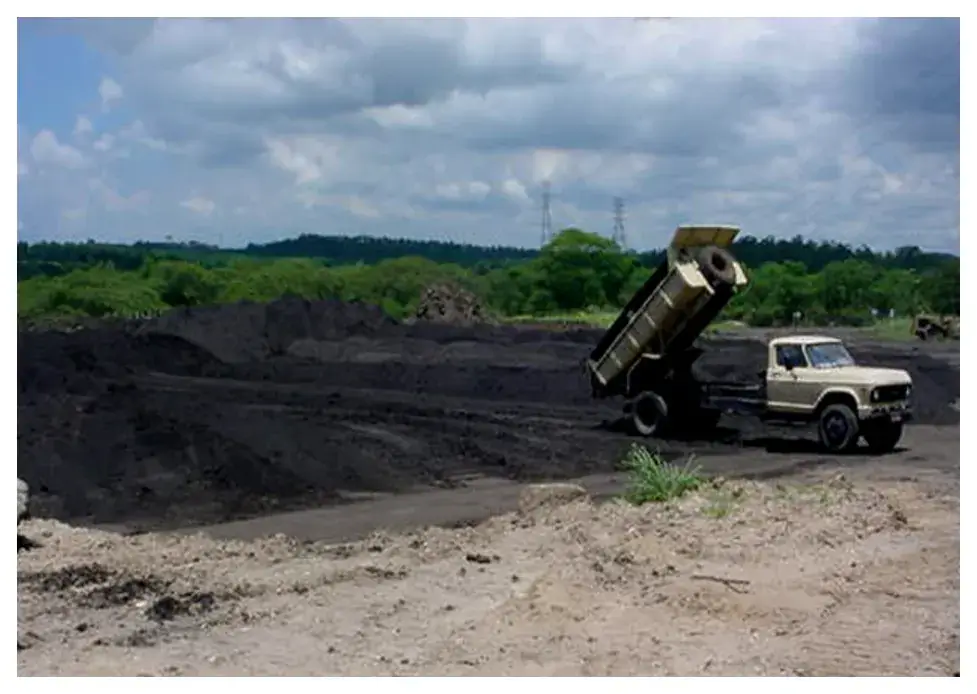
| Excavation and disposal | Physical removal of the contaminated soil and shipment for treatment or licensed disposal. | Concentrated, shallow sources, or when the site must be released quickly. |
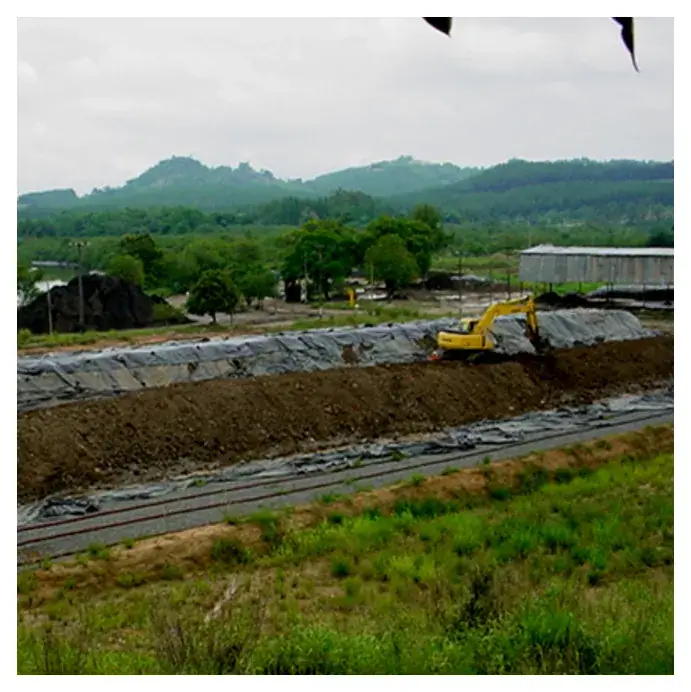
In practice, remediation projects usually combine techniques: source removal by excavation or extraction, followed by treatment of the residual plume. When there is excavation, the removed soil follows the waste management flow, with documented transport and disposal.
Reaching the targets does not close the process. After remediation, the site undergoes periodic groundwater monitoring to confirm that concentrations remain below the targets and that there is no rebound. Only after this period, with stable results, can the site be considered rehabilitated for the declared use by the environmental agency.
Pump-and-Treat extraction, MPE (multi-phase extraction), DPE (dual-phase extraction) and AS/SVE (air sparging and soil vapor extraction), as well as chemical oxidation or reduction and monitored natural attenuation.
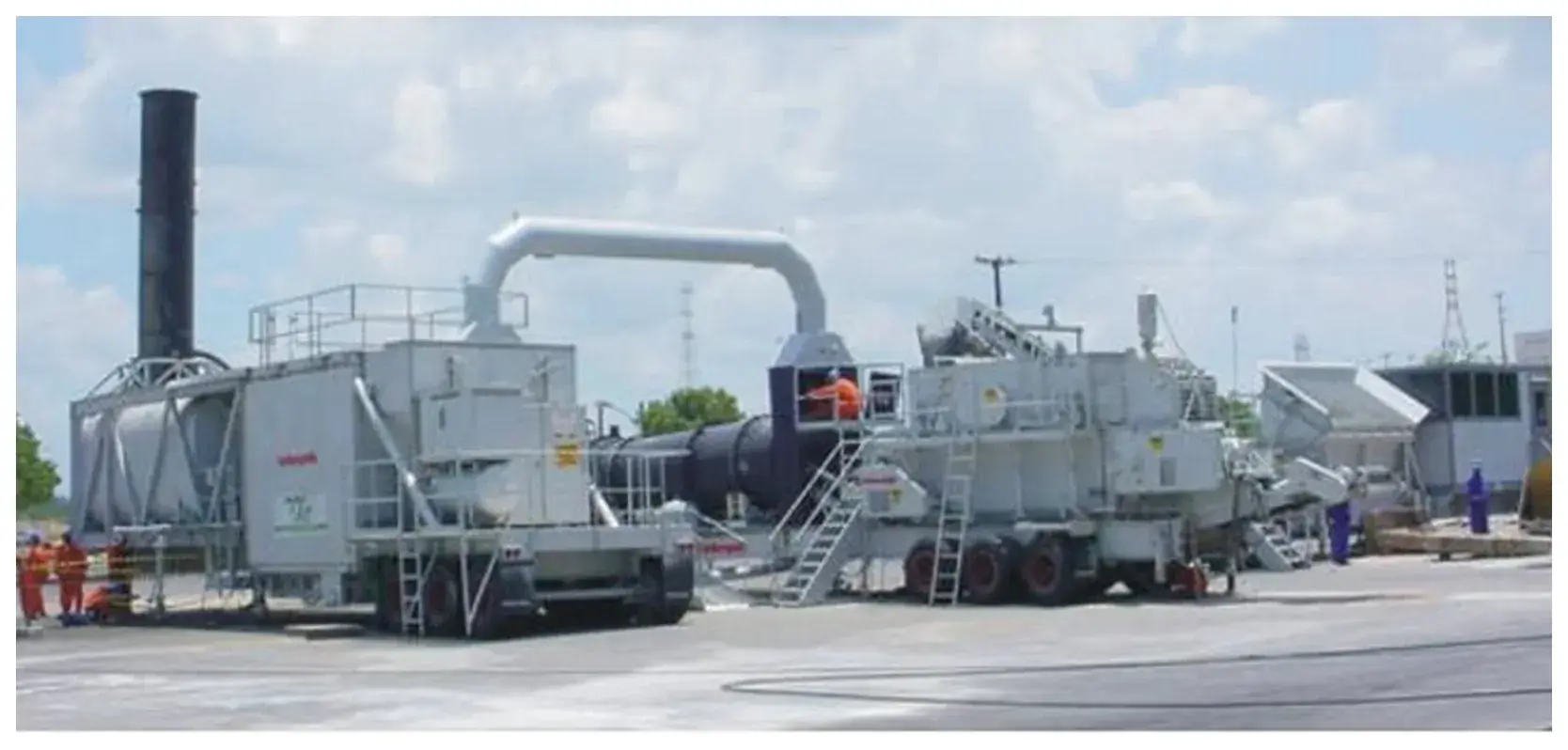
Excavation of contaminated soil and thermal or biological treatment in a controlled area, with biopiles, thermal desorption and incineration, followed by backfilling.
In situ, contaminants are removed or degraded within the subsurface itself. On site, the soil is excavated and treated in a controlled area at the location.
Yes. TSL carries out soil and groundwater remediation projects with proven technologies to treat and rehabilitate contaminated sites.