CONAMA Resolution 420/2009 sets the soil quality criteria and the guidelines for contaminated site management in Brazil. It defines three guiding values: the Quality Reference Value (VRQ), which represents the natural condition of the soil; the Prevention Value (VP), above which the site requires control; and the Investigation Value (VI), above which there is a potential risk to human health. Environmental investigation is the process that compares the site against these values and decides whether intervention is needed.
| Stage | Objective | Deliverable |
|---|---|---|
| Preliminary assessment | Identify signs of contamination from the site's use history, public records and an on-site survey. | Initial conceptual model, with potential sources, substances of interest and areas to investigate. |
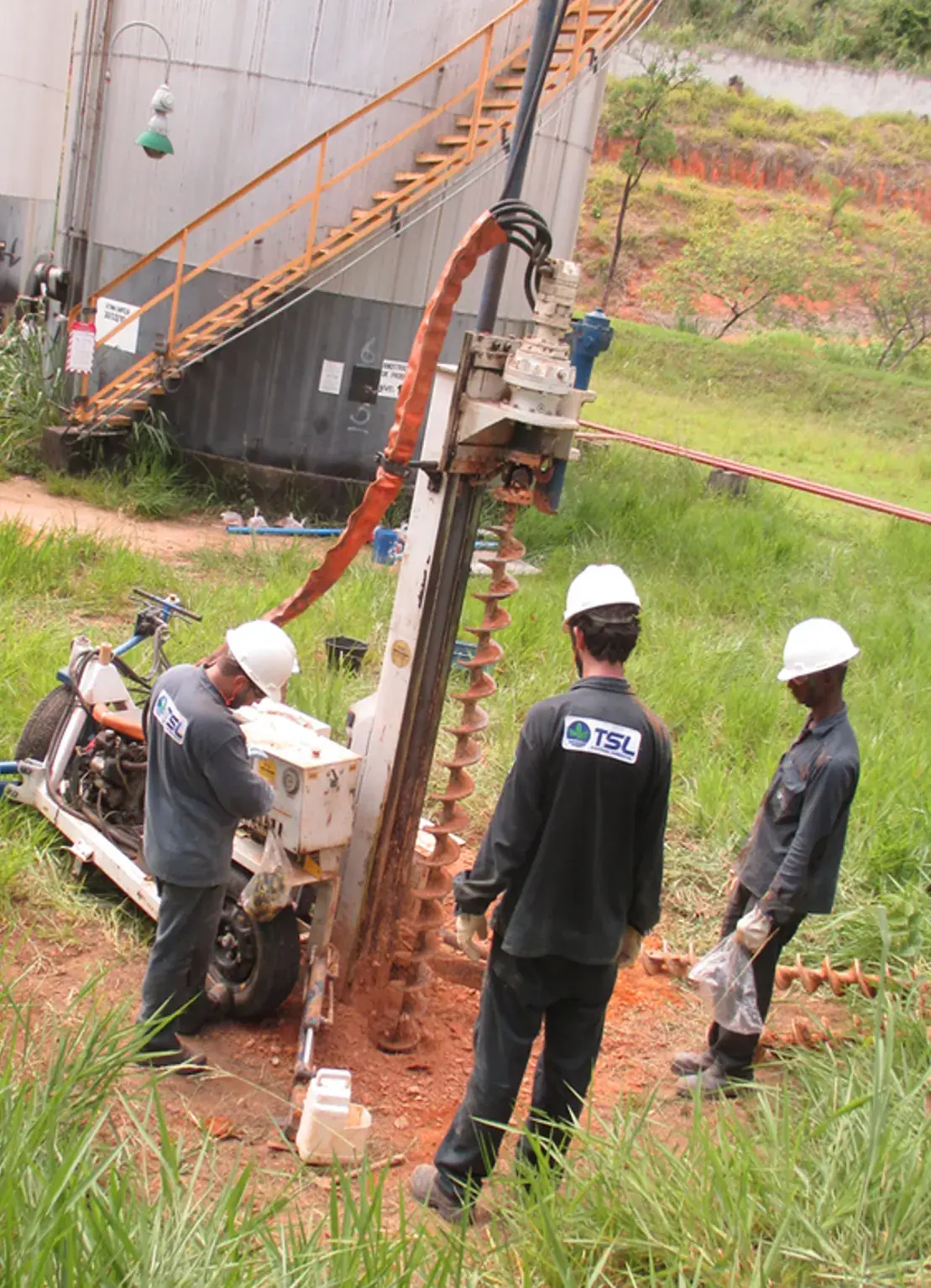
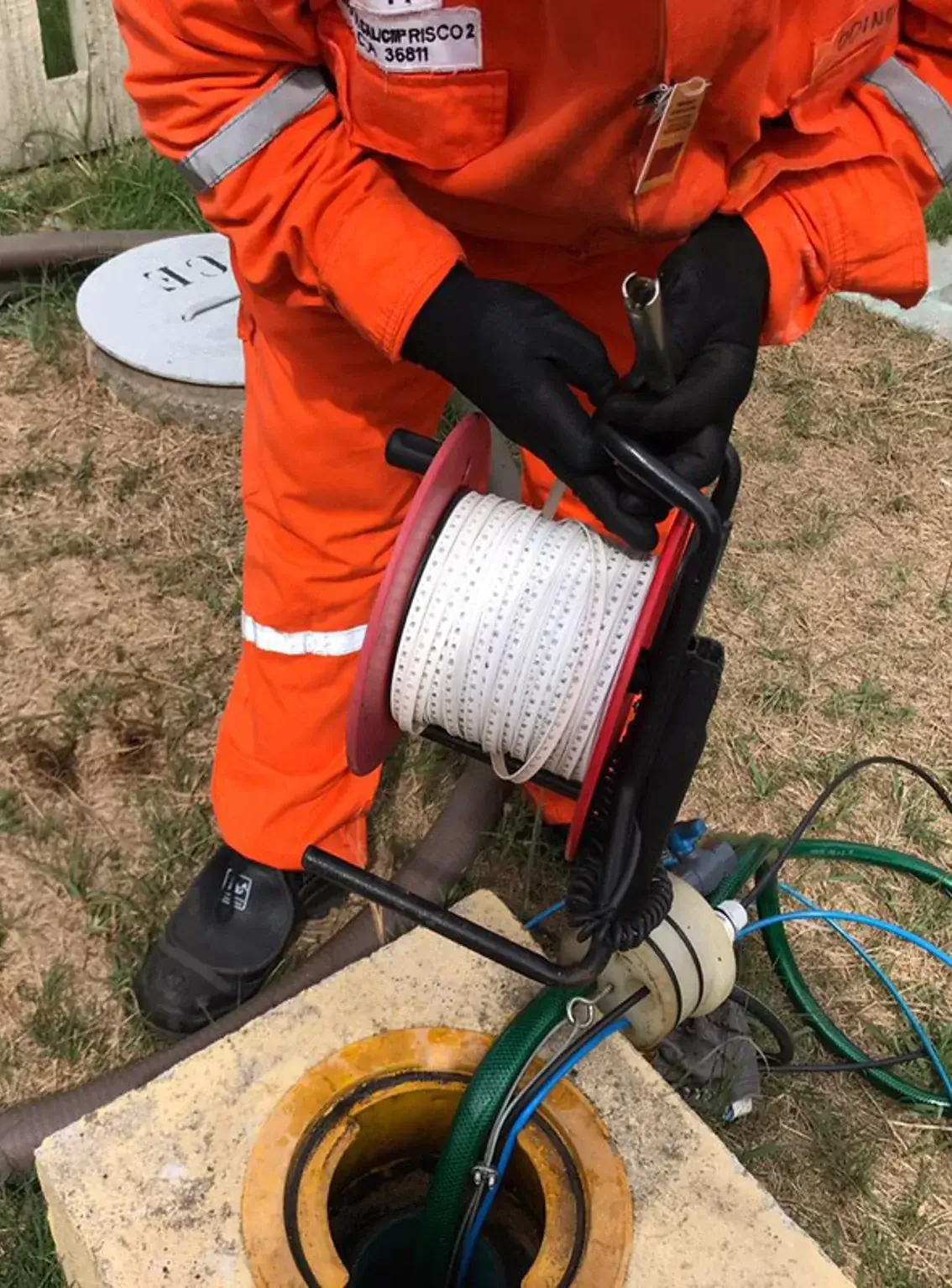
| Confirmatory investigation | Confirm or rule out contamination by sampling soil and groundwater. | Analytical results compared with the guiding values and classification of the site. |
| Detailed investigation | Delineate the horizontal and vertical extent of contamination and the behavior of the contaminants. | Plume maps, volumes of affected soil and an updated conceptual model. |
| Risk assessment | Quantify the risk to human health considering the current and intended use of the site. | Decision on the need for intervention and the targets the remediation must meet. |
The stages are sequential: each one moves forward only when the previous one indicates the need. A preliminary assessment with no signs of contamination can close the process. A confirmatory investigation with concentrations above the Investigation Value necessarily leads to a detailed investigation. Brazilian standard ABNT NBR 15515 details the technical procedures for the preliminary assessment, the confirmatory investigation and the detailed investigation.
When the risk assessment indicates a risk above the acceptable level, the site enters the intervention phase. The targets defined in the investigation guide the choice of contaminated site remediation technique and the monitoring plan up to rehabilitation for the declared use.
Preliminary environmental assessment, confirmatory and detailed investigation, and human health risk assessment, which defines the remediation measures required.
The stages of contaminated site management required by CETESB (São Paulo State environmental agency) and CONAMA (Brazil's National Environment Council), as well as internationally recognized standards and technologies.
By drilling and sampling of soil and groundwater.
Risk mapping based on public agency data and field surveys, an assessment of the need for emergency actions and a conceptual model of the problem.