Every heat exchanger relies on clean surfaces to transfer heat. During operation, mineral deposits, sludge, corrosion products and biological material build up on the heat transfer surfaces. This layer, called scale or fouling, acts as insulation: the equipment transfers less heat, the pressure drop increases and the process consumes more energy to maintain the same temperature.
The most common signs are a drop in outlet temperature, an increase in the pressure differential between inlet and outlet, and the need to raise the utility fluid flow rate to compensate.
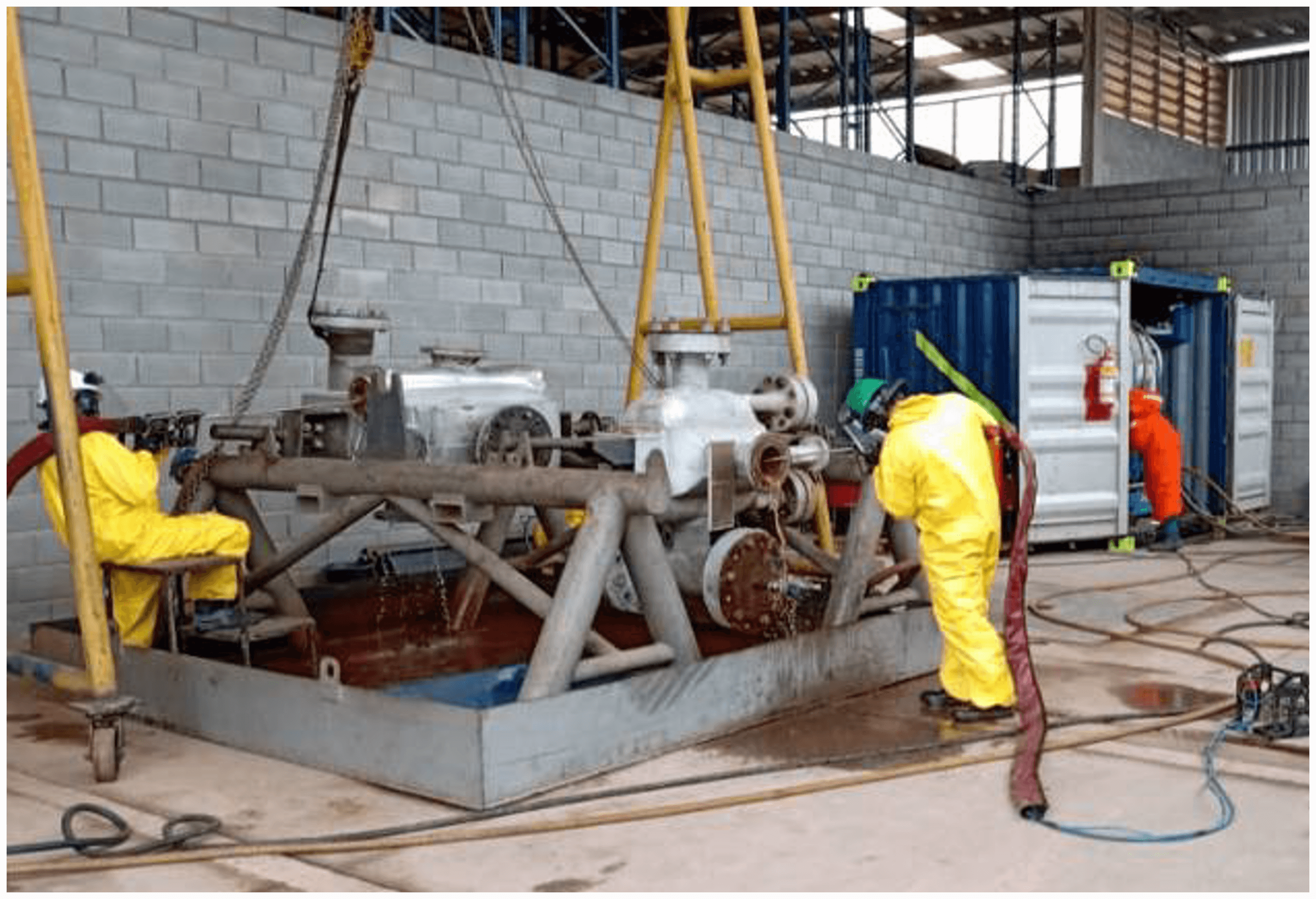
TSL has already performed field cleaning of Heatric-type compact heat exchangers, used on platforms. See the case studies.
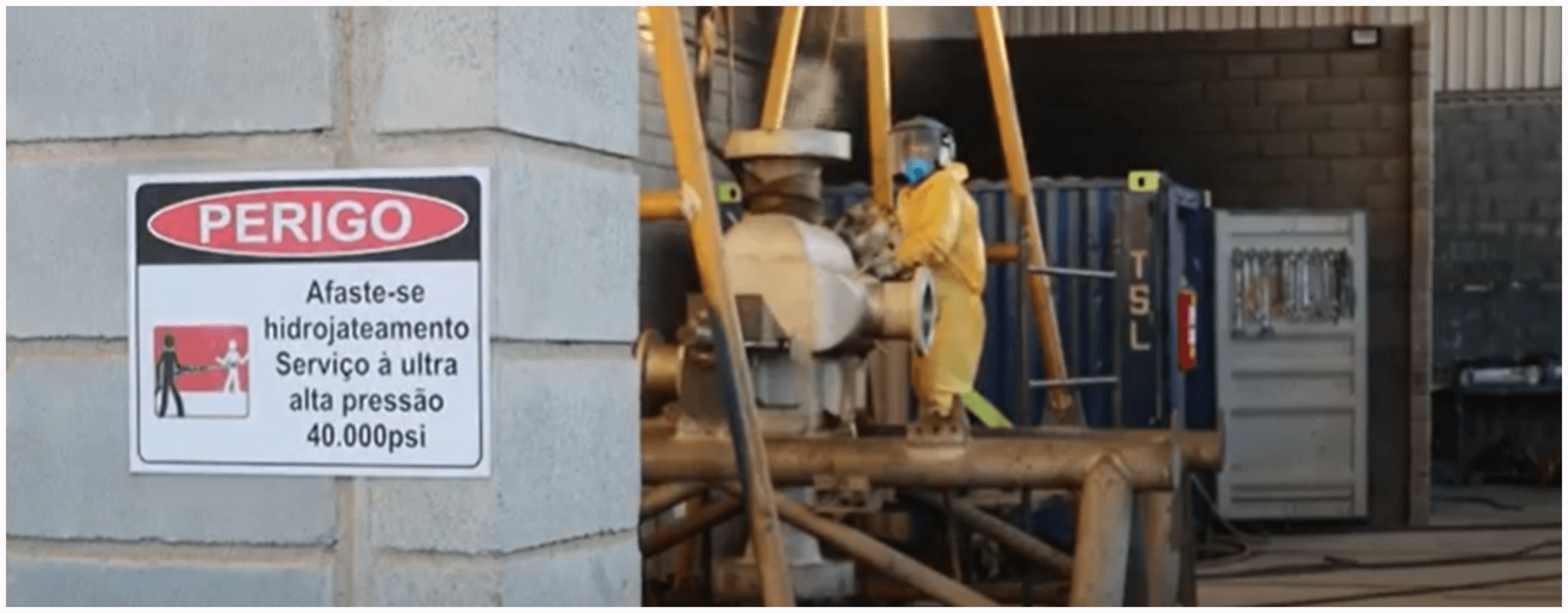
The method is defined by the type of fouling, the exchanger material and access. Hard, adhered scale calls for higher pressures, up to 40,000 PSI (about 2,760 bar). Soluble deposits can be removed by chemical cleaning, without full disassembly.
Frequency depends on the fluid and the operating regime. The safest criterion is to monitor thermal performance and pressure drop: when the indicators start to decline, scheduled cleaning costs less than an unplanned shutdown.
Fouling in the tube bundle causes pressure drop and reduces heat transfer. Regular cleaning prevents unplanned shutdowns and increased energy consumption.
Pressures of up to 40,000 PSI (about 2,760 bar), which remove severe scale without aggressive chemical agents.
Rigid and flexible lances with rotating nozzles specific to each tube diameter, ensuring complete internal cleaning.
Yes. TSL carries out the cleaning on site or in segregated areas within the plant, according to the client's maintenance logistics.